Best Golf Launch Monitors 2026
By GolfSimulatorSource Editorial Team | Last updated:
Golf launch monitors have transformed how golfers practice, fit equipment, and play at home. In 2026, the market spans from $199 Doppler radar units that measure five basic metrics to $30,000 professional ceiling systems used by PGA Tour players — and the technology gap between tiers has narrowed dramatically.
This guide ranks all 13 launch monitors we currently cover, from the Shot Scope LM1 ($199) to the TrackMan iO ($13,995+), across every use case: driving range practice, home simulator play, club fitting, and teaching academies. Our rankings are based on manufacturer specifications, editorial reviews from MyGolfSpy, Breaking Eighty, GolfWRX, and GolfSimulatorForum, plus owner feedback from Amazon and Reddit r/golfsimulators.
The most important decision isn't which launch monitor has the best specs on paper — it's which one matches your actual use case. A $6,999 Foresight GC3 is the wrong answer if you only practice outdoors at the range; a $499.99 Garmin R10 is the wrong answer if you need precise spin data for a professional fitting bay.
We've broken down every product into clear categories so you can identify the right tier without wading through spec sheets.
Our Top Picks by Category
Best overall
Bushnell Launch Pro$2,999.99
The Bushnell Launch Pro ($2,999.99) delivers Foresight GC3-identical photometric accuracy — ball data via 3 high-speed cameras, the same hardware that powers the $6,999 GC3 — at well under half the price. Ball speed, launch angle, spin rate, and spin axis are directly measured, not calculated. The caveat: full simulator access requires the $499/year Gold subscription, making the 5-year TCO ~$5,500. If you can live with the subscription model and want the best accuracy per dollar under $5,000, nothing comes close. MyGolfSpy, Carl's Place, and the GolfWRX community consistently cite the Launch Pro as the photometric value benchmark.
Best under $500
Garmin Approach R10$499.99
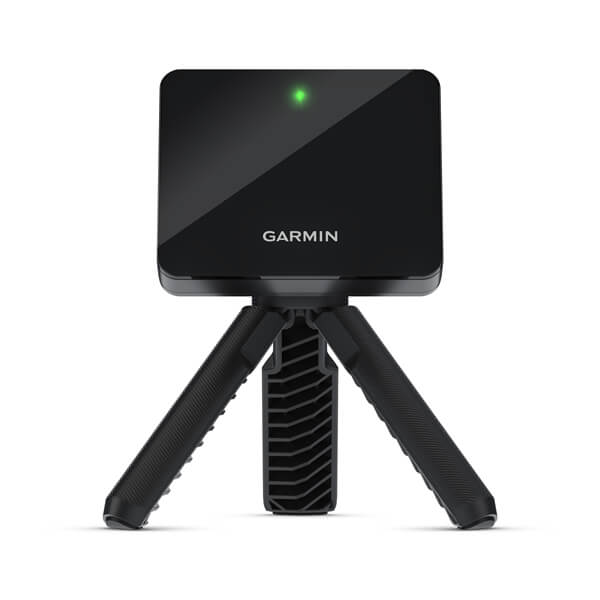
The Garmin Approach R10 ($499.99) created the sub-$1K simulator-capable launch monitor category in 2021 and still holds the title in 2026. It measures ball speed, launch angle, carry distance, club speed, club path, face angle, and attack angle via Doppler radar — with the largest simulator software ecosystem in its class: Home Tee Hero (43,000+ courses at $99/yr), official E6 Connect support, and an unofficial GSPro bridge. Indoor spin is calculated, not measured (use Titleist RCT balls for best results). At 148g and 10-hour battery, it's also the most portable full-featured unit under $500. 892+ Amazon reviews average 4.2/5, with "best value under $500" the consistent verdict across GolfWRX, MyGolfSpy, and Golfstead (9.5/10).
Best mid-range ($500–$1,500)
FlightScope Mevo Gen2$1,299
The FlightScope Mevo Gen2 ($1,299) is the best value in the $1,000–$1,500 radar segment. 3D Doppler + Multicam fusion delivers 14 measured data points including spin via metallic dots or RCT balls indoors. E6 Connect is included (8 courses + 17 ranges free, no extra license fee), GSPro is officially supported, and there's no annual subscription required for the base simulator experience. Space requirement is the key constraint: you need 7–9 ft behind ball and 16+ ft of room depth — more than camera units. But for buyers with the room, the Mevo Gen2 offers the best 5-year TCO in its segment.
Best premium ($1,500–$5,000)
Uneekor Eye Mini$2,999
The Uneekor Eye Mini ($2,999) delivers photometric accuracy competitive with the Foresight GC3 ($6,999) at $4,000 less. Carl's Place testing logged a 1.4-yard average driver carry difference vs. GC3 — statistically negligible. The Eye Mini's unique Club Optix system provides automatic high-speed impact video with each shot, a feature GC3 doesn't offer at any price. GSPro, E6 Connect, TGC 2019, and Creative Golf 3D are all supported. The only trade-off: Uneekor's ecosystem is less mature than Foresight's, and some owners report occasional club data inconsistencies. For serious home simulator builders who want GC3 accuracy without GC3 pricing, the Eye Mini is the clear choice.
Best ultra-premium ($5,000+)
TrackMan iOFrom $13,995 (unit); complete packages from ~$29,715
The TrackMan iO (from $13,995) is the absolute performance benchmark — the same ceiling-mounted OERT system (24 GHz radar + dual high-speed cameras) trusted by PGA Tour players, Major-winning club fitters, and the world's top teaching academies. 200+ courses, 3D ball flight visualization, swing video overlay, and club fitting tools are standard. It's the only launch monitor on this list that requires permanent ceiling installation, making it exclusively for serious indoor facilities. If you're building a professional teaching bay or the ultimate home sim where money is not the primary constraint, nothing measures more parameters with higher confidence.
Best portable (under 200g)
Garmin Approach R10$499.99
At 148g — lighter than a baseball — the Garmin R10 is the most portable full-featured launch monitor available. It fits in a golf bag pocket, runs 10 hours on a charge, and is IPX7 waterproof. No radar launch monitor under $2,000 combines portability, battery life, and data breadth at this weight. For range practice and outdoor use it performs at its best, with directly measured spin via Doppler.
Best for indoor simulator (all-in-one)
Garmin Approach R50$4,999.99
The Garmin Approach R50 ($4,999.99) is the only portable launch monitor with a built-in 10" color touchscreen running Home Tee Hero with 43,000+ courses — no PC, no phone, no projector required. MyGolfSpy named it "Best Overall personal launch monitor for 2025." Photometric 3-camera system delivers directly measured spin (not calculated). At $4,999.99 it's a significant investment, and the 9 lb / 16.5" form factor is the largest in its class — but for buyers who want a genuine all-in-one with zero separate display hardware, the R50 has no equal.
All 19 Launch Monitors Compared
Sorted by our rating by default. Use the sort buttons above the table to reorder.
| Image | Name | Price | Technology | Rating | Best For | Buy |
|---|---|---|---|---|---|---|
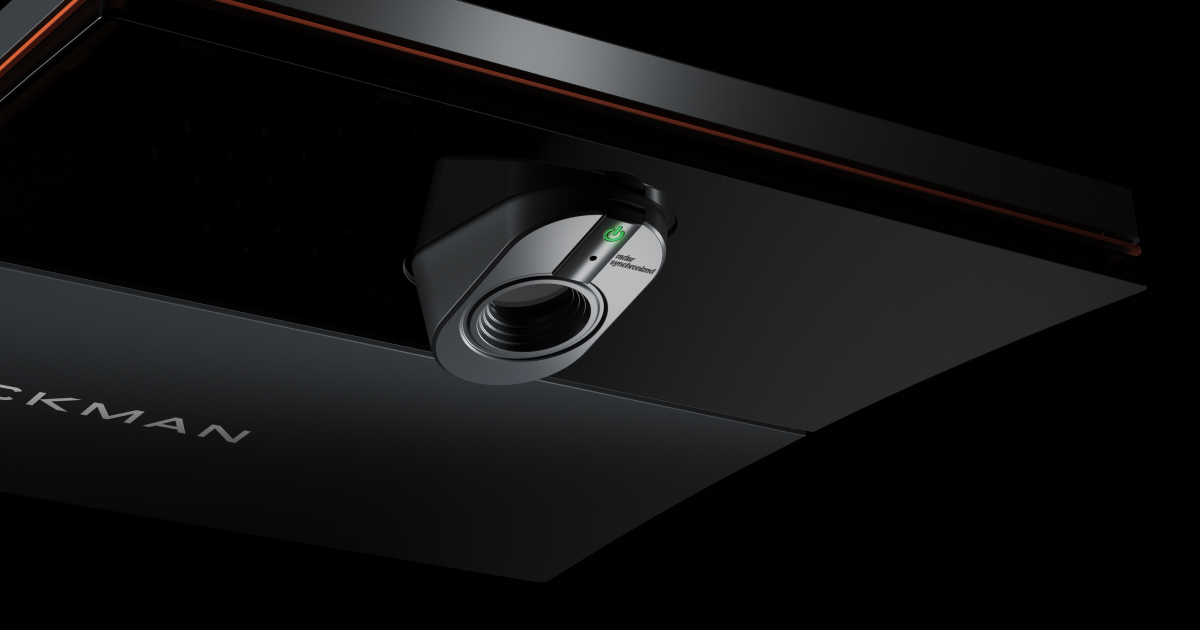 | TrackMan iO | From $13,995 (unit); complete packages from ~$29,715 | Ceiling-mounted OERT: 24 GHz radar + dual high-speed cameras | ★4.9 | Serious home simulators (from $13,995), teaching academies, and Tour-level fitting studios | Check price → |
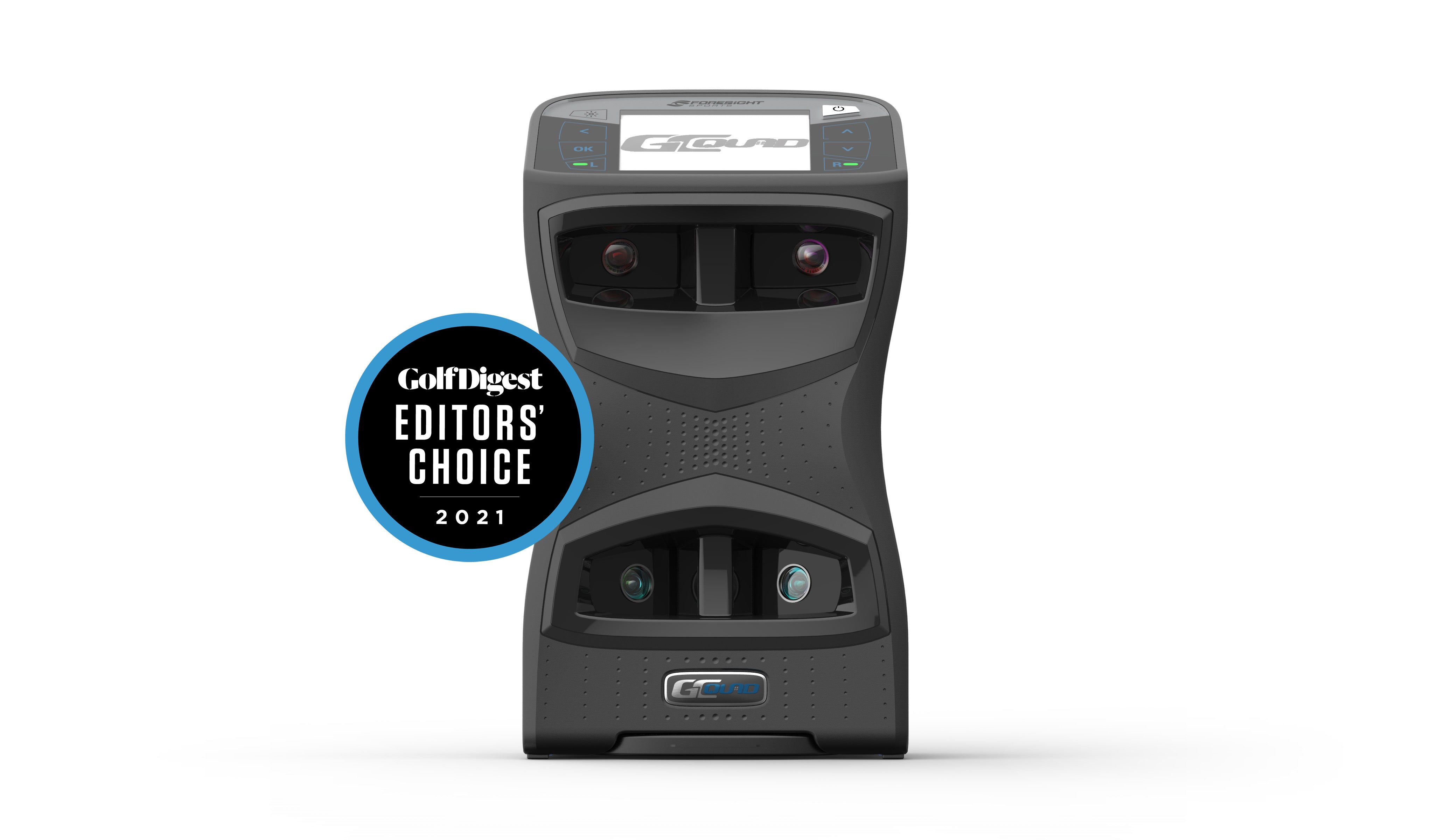 | Foresight GC Quad | $15,999–$17,999 depending on bundle | Photometric (4 high-speed cameras) | ★4.8 | Serious amateurs, high-end home simulators, professional club fitting | Check price → |
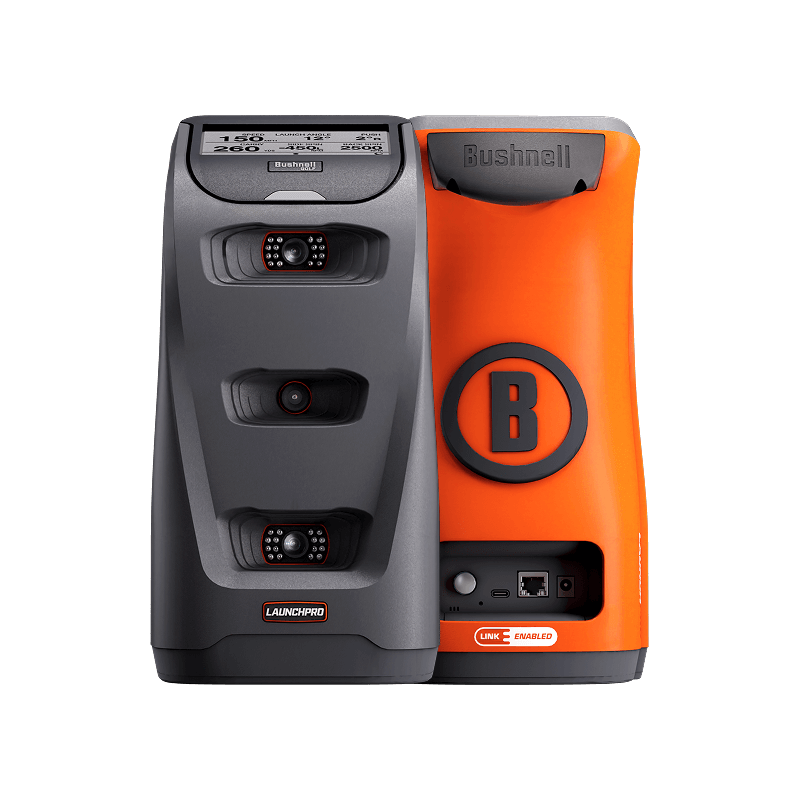 | Bushnell Launch Pro | $2,999.99 | Photometric (3 IR cameras) | ★4.5 | Serious home simulator — accuracy-first golfers | Check price → |
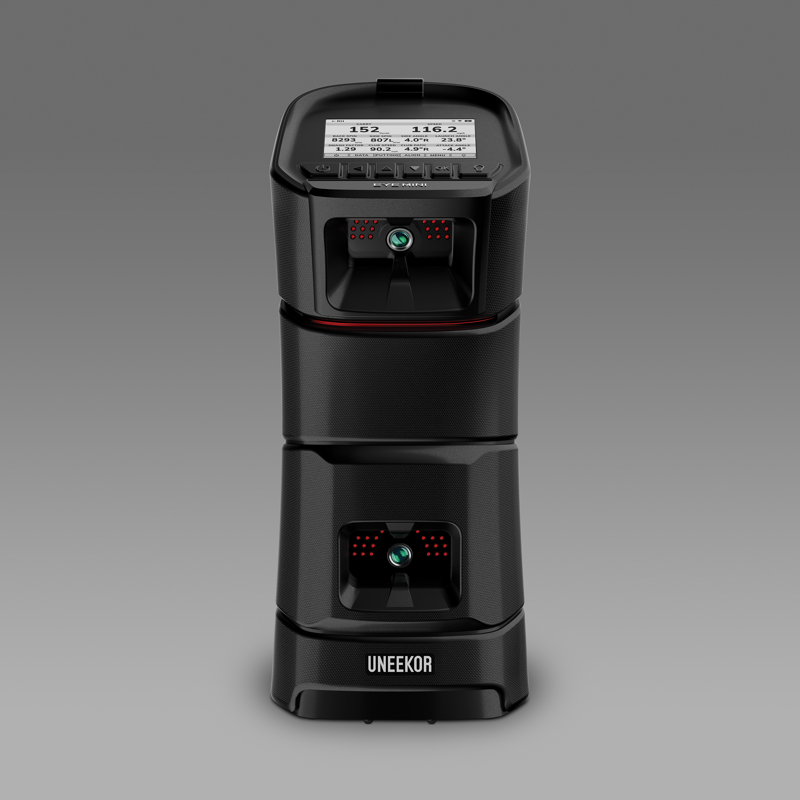 | Uneekor Eye Mini | $2,999 | Photometric (dual IR cameras, Dimple Optix) | ★4.4 | Serious simulator builders wanting GC3 accuracy without the GC3 price | Check price → |
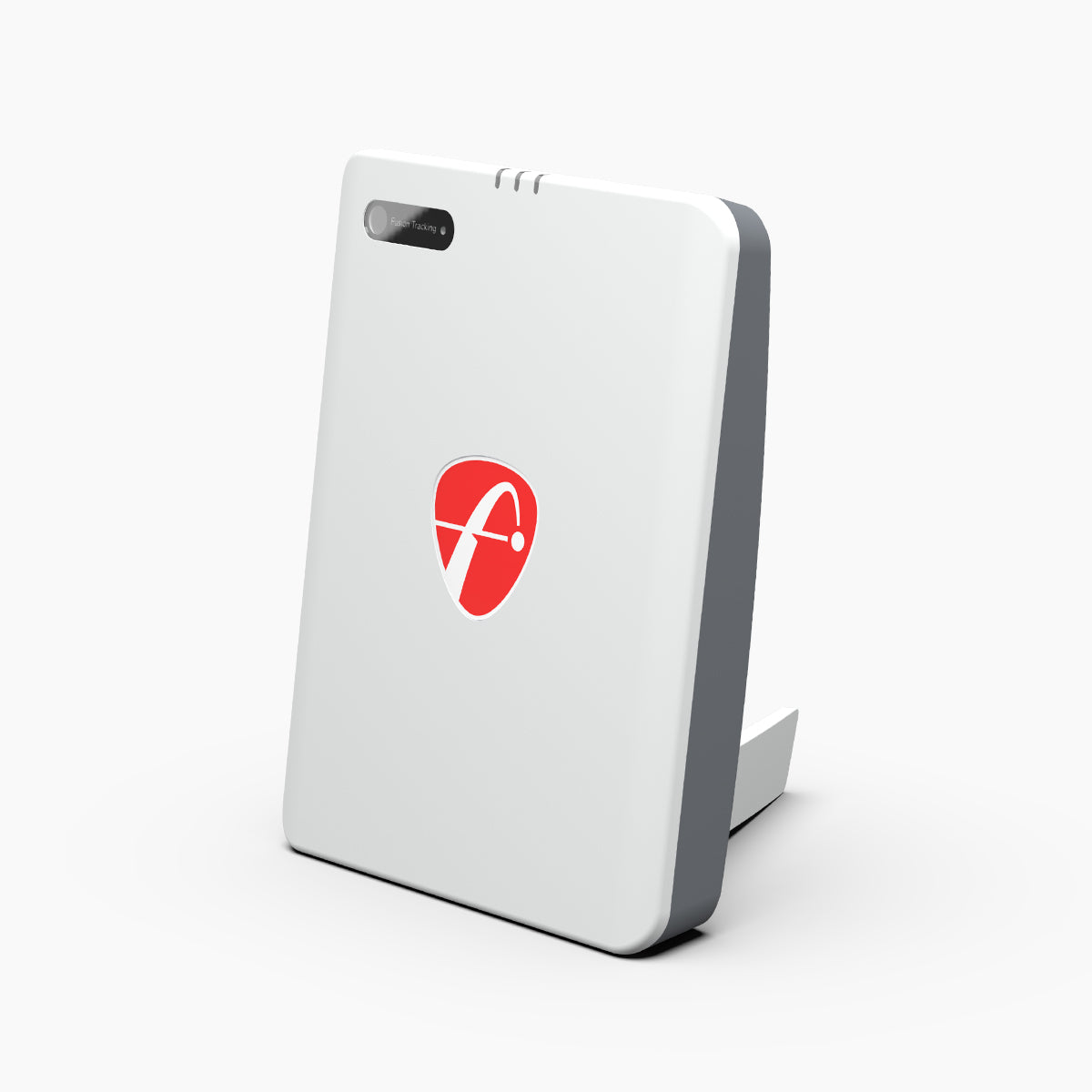 | FlightScope Mevo Gen2 | $1,299 | Radar (3D Doppler + Multicam) | ★4.4 | Mevo+ owners wanting an upgrade with better battery, USB-C, and improved hardware | Check price → |
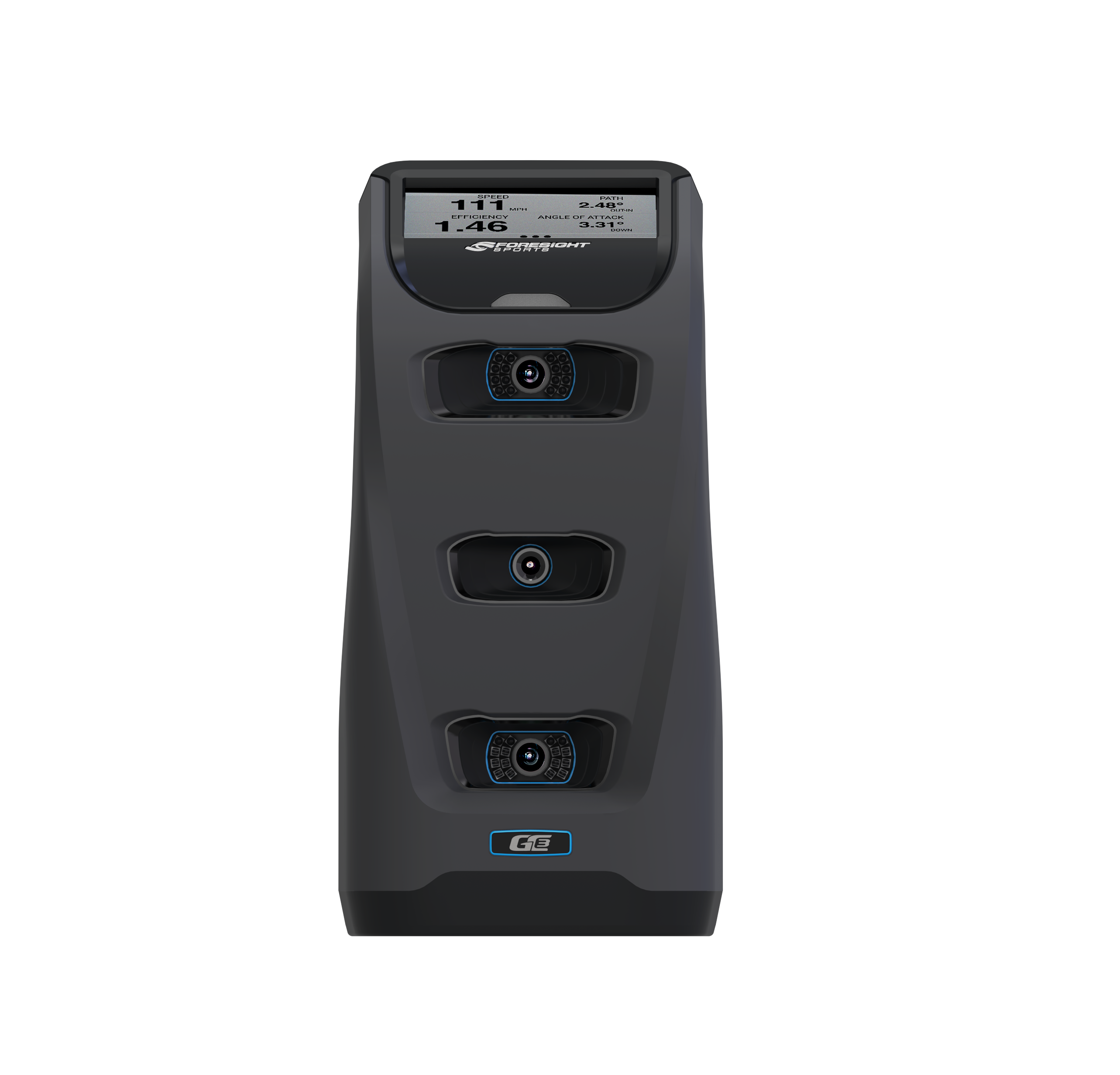 | Foresight Sports GC3 | $6,999 | Photometric (3 high-speed cameras, Triscopic) | ★4.3 | Mid-tier home simulator without subscription | Check price → |
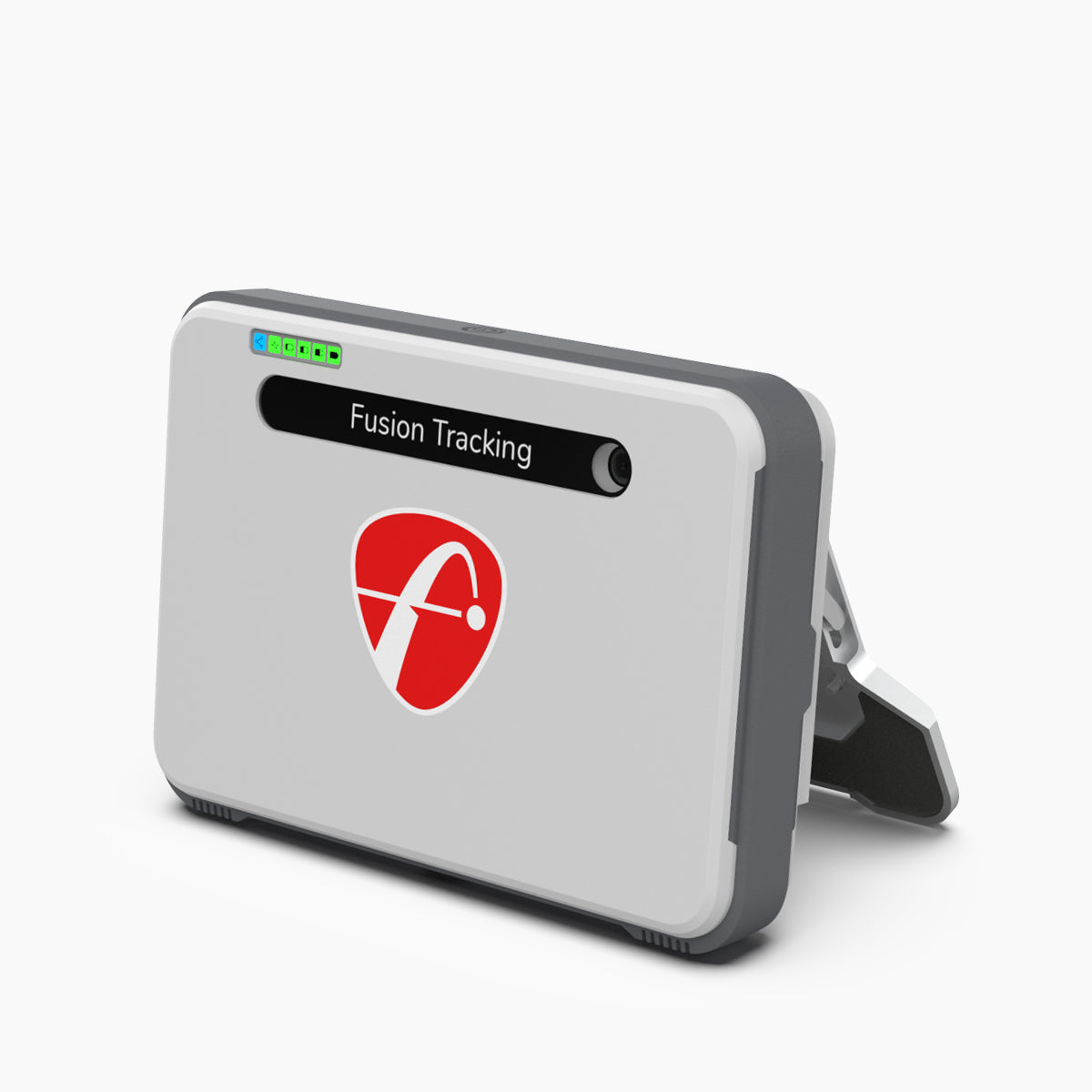 | FlightScope Mevo+ | $1,099 (final clearance — remaining stock only) | Radar (3D Doppler + Multicam) | ★4.3 | GSPro users who don't want a subscription — outdoor + indoor versatile | Check price → |
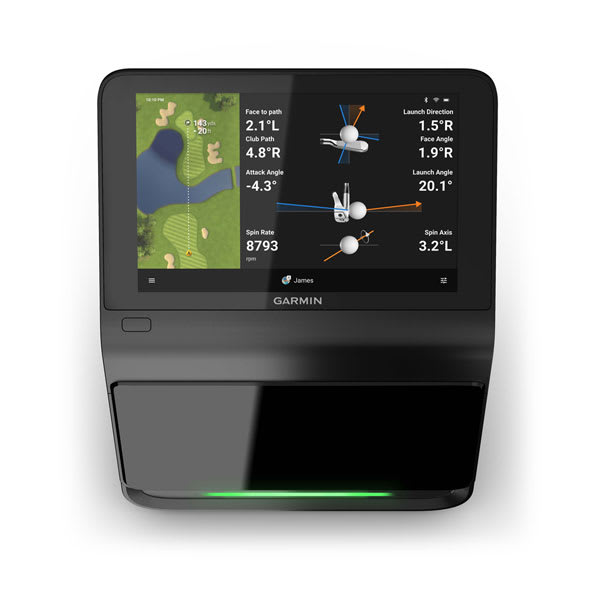 | Garmin Approach R50 | $4,999.99 | Photometric (3 high-speed cameras) | ★4.3 | All-in-one home simulator with built-in display, no PC required | Check price → |
 | Garmin Approach R10 | $499.99 | Radar (Doppler) | ★4.2 | Budget home simulator & driving range | Check price → |
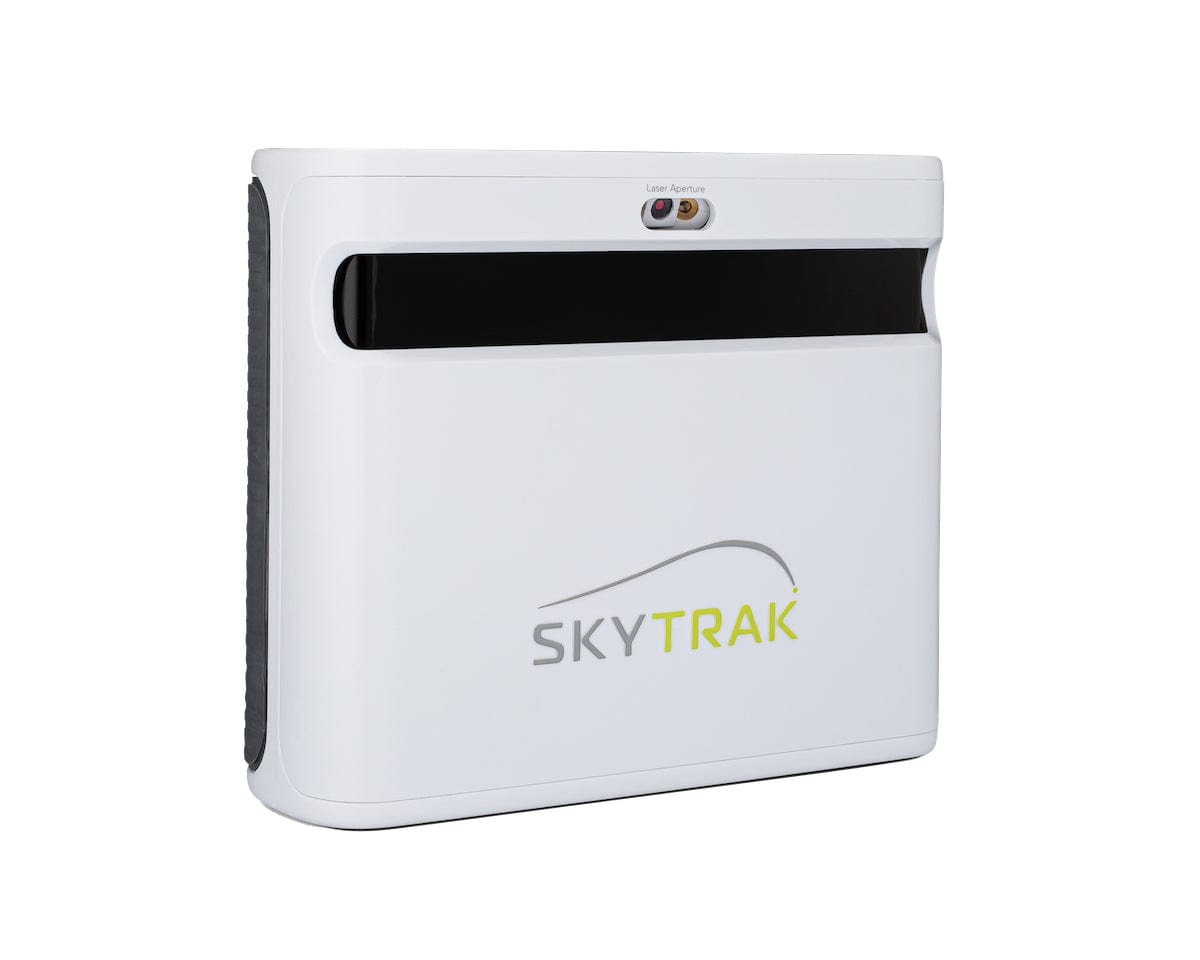 | SkyTrak+ | $1,495 (CPO/preowned via SkyTrak direct) — new units no longer available from SkyTrak | Hybrid (Photometric camera + Dual Doppler Radar) | ★4.2 | E6 Connect users — the only sub-$3K camera/hybrid unit with E6 support | Check price → |
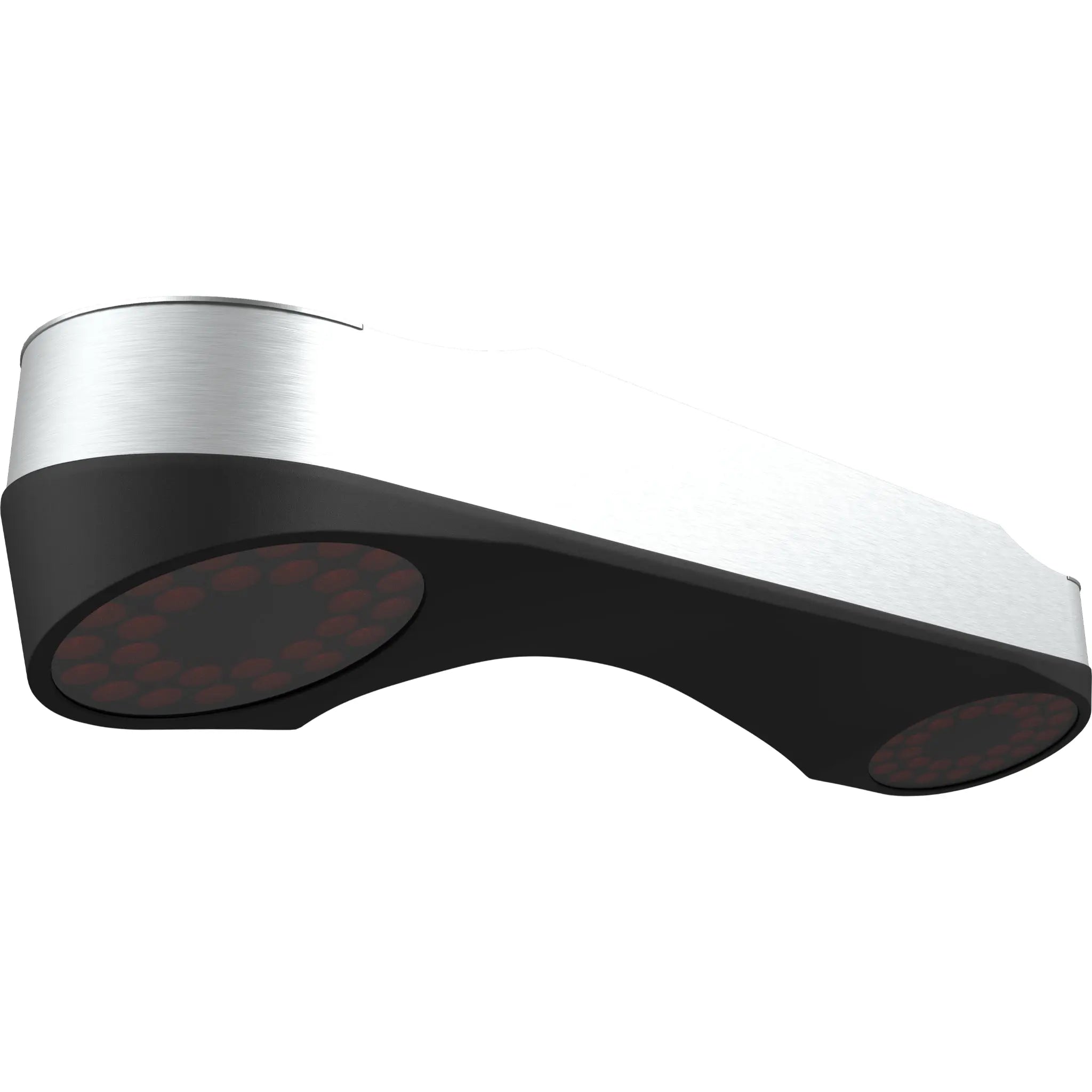 | ProTee VX | $6,500 | Camera (dual high-speed overhead, AI-assisted) | ★4.2 | Buyers who want an overhead launch monitor with zero recurring software fees and no floor footprint | Check price → |
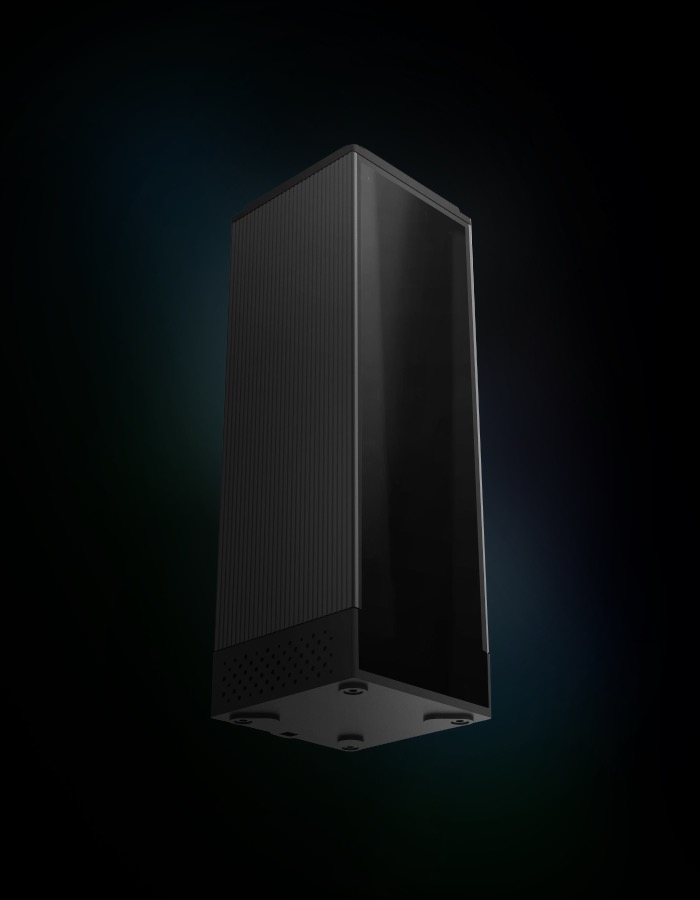 | Square Golf Launch Monitor | $699.00 | Photometric (dual high-speed camera + machine vision) | ★4.1 | Budget home simulator with direct club data — unique camera-based measurement at sub-$700 price | Check price → |
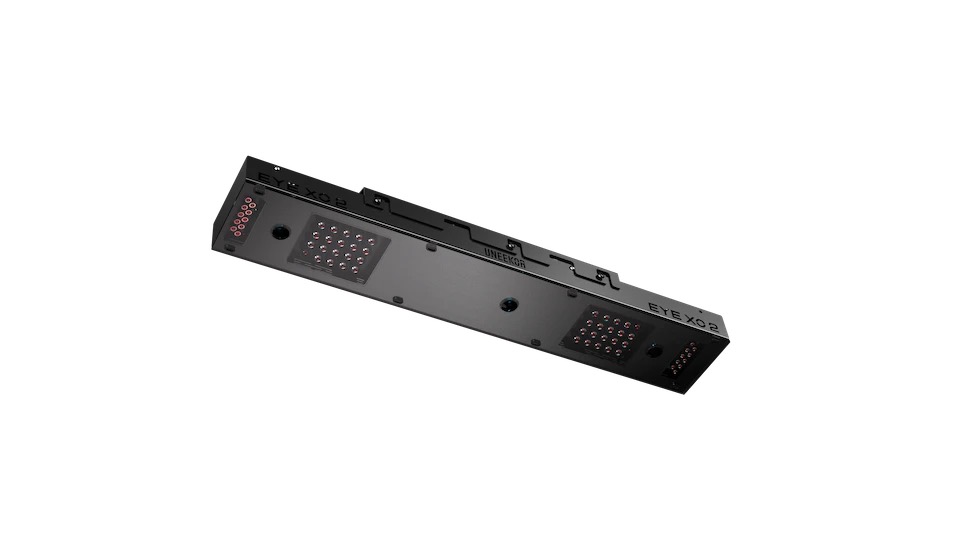 | Uneekor EYE XO2 | $10,999 (AI Studio bundle) | Camera (triple high-speed infrared overhead) — Dimple Optix ball tracking + Club Optix club tracking | ★4.1 | Buyers who want the largest hitting zone and most established software ecosystem in the overhead camera category, and who are willing to pay a premium — including an ongoing software subscription — to get it | Check price → |
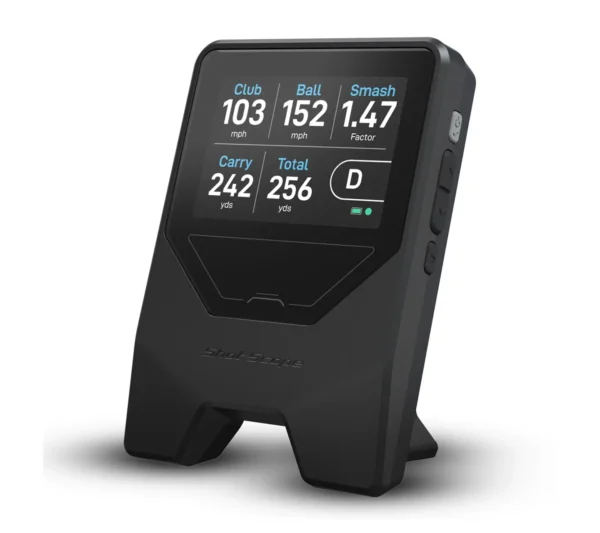 | Shot Scope LM1 | $199.99 | Radar (Doppler, K-band 24 GHz) | ★4.0 | Sub-$200 range practice & carry data, no subscription | Check price → |
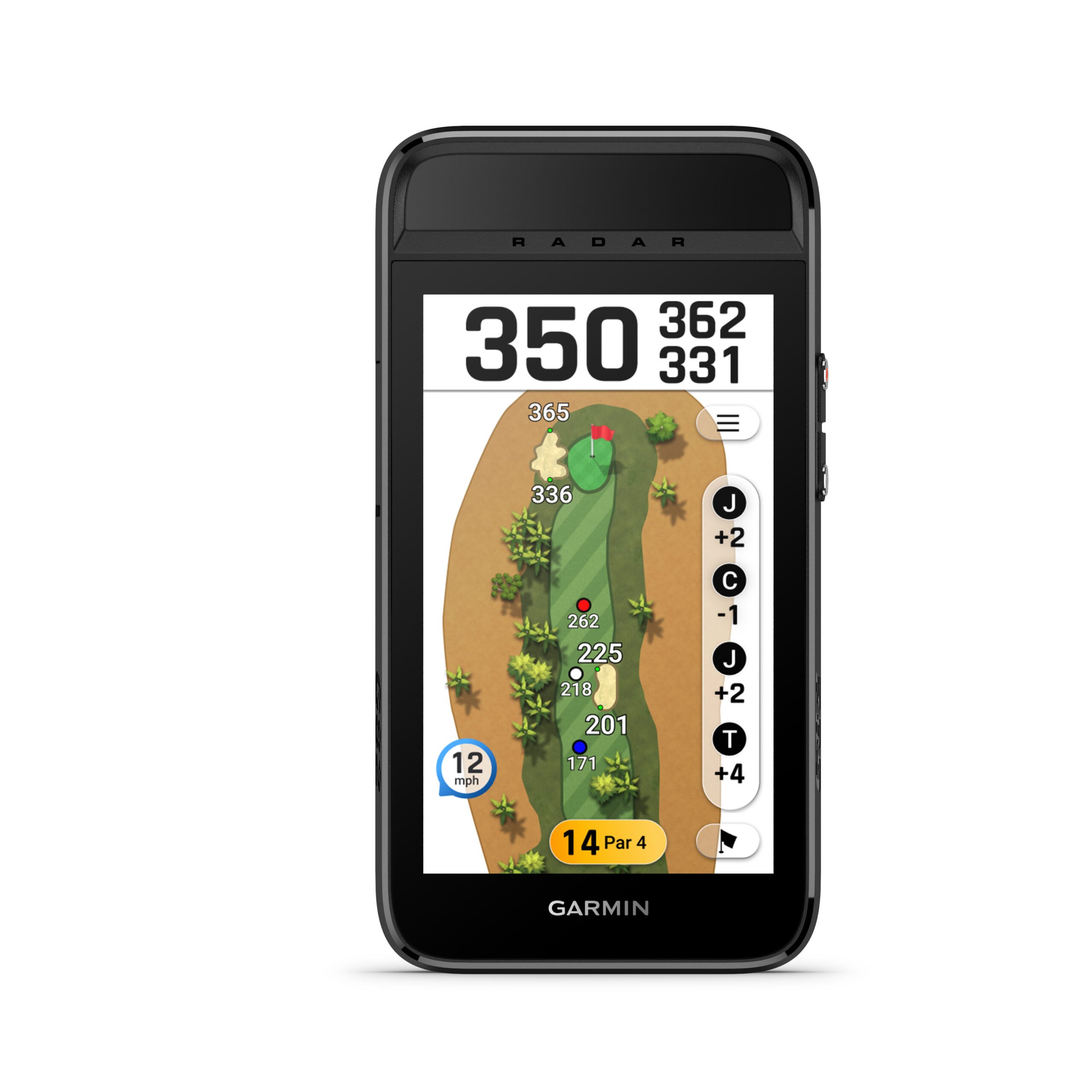 | Garmin Approach G82 | $599.99 | Radar (Doppler) + GPS handheld | ★4.0 | On-course GPS + range warmup data | Check price → |
 | Rapsodo MLM2PRO | $699.99 | Radar + dual camera fusion | ★4.0 | Iron practice + budget simulation — best measured spin under $1,000 | Check price → |
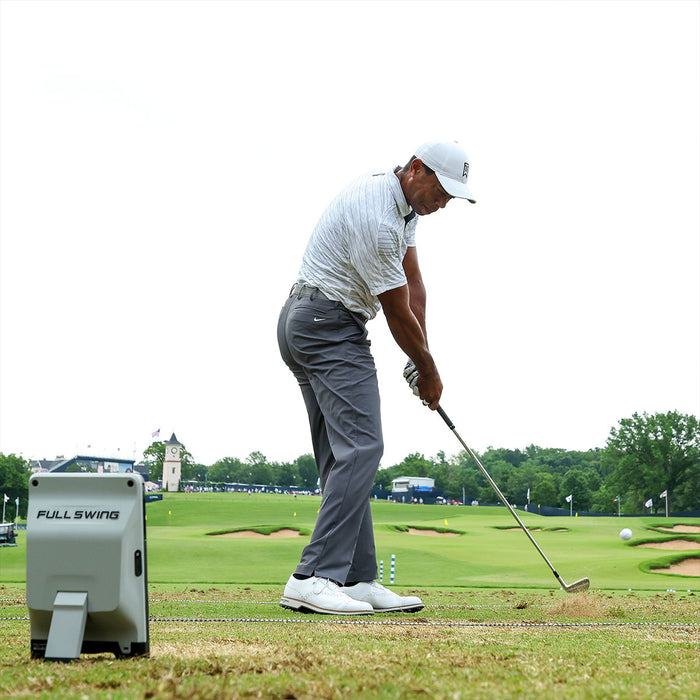 | Full Swing KIT | $4,999 | Radar (24GHz dual-mode Doppler) | ★3.9 | Portable indoor/outdoor launch monitor for buyers who value bag-friendly portability over a built-in touchscreen | Check price → |
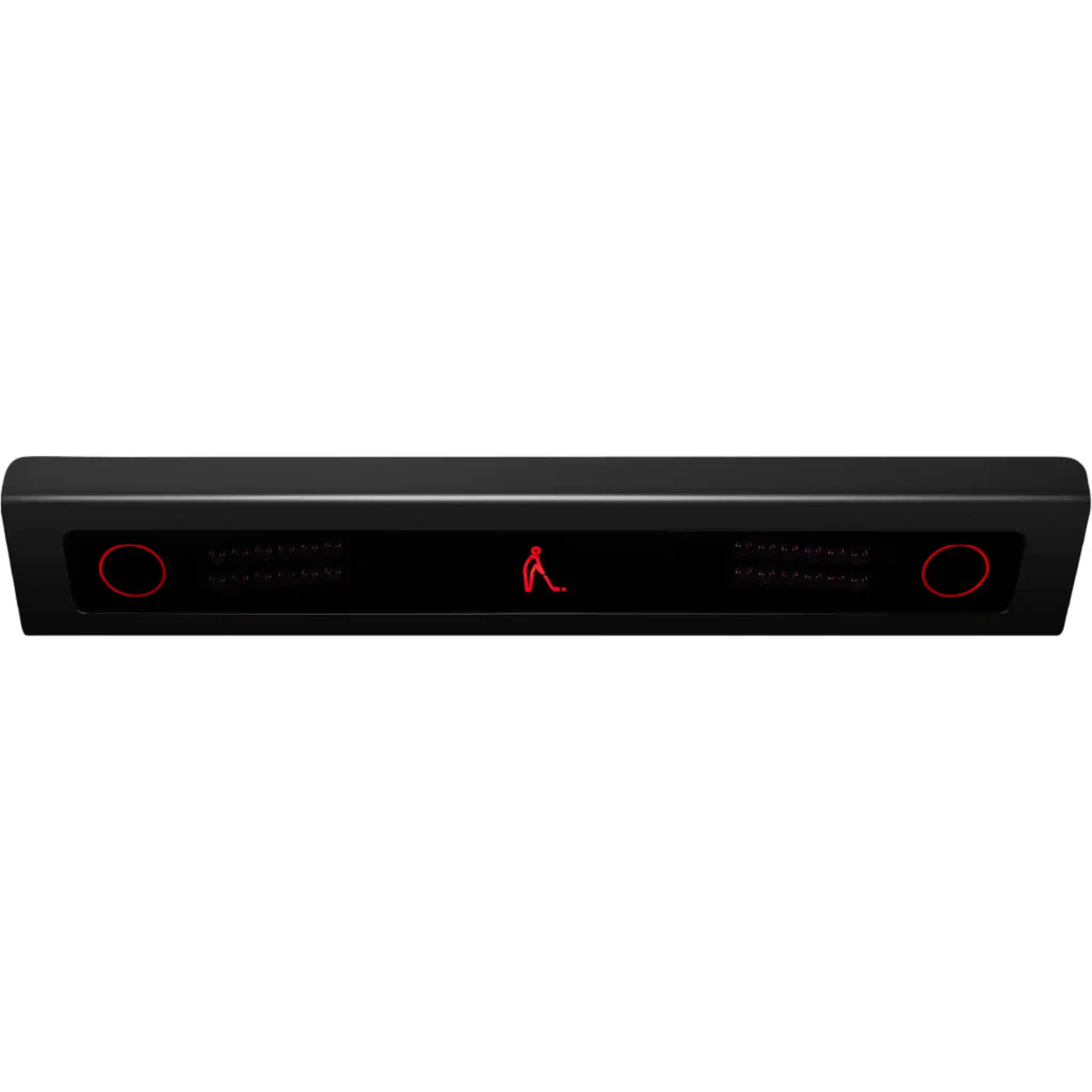 | VTrack | $5,000 | Camera (dual stereoscopic overhead, up to 1,800fps) | ★3.8 | Buyers who want the largest hitting zone in the overhead category and zero recurring software fees, and who accept a newer brand with a thin independent-review track record in exchange for a $1,500-$6,000 price advantage over ProTee VX and Uneekor | Check price → |
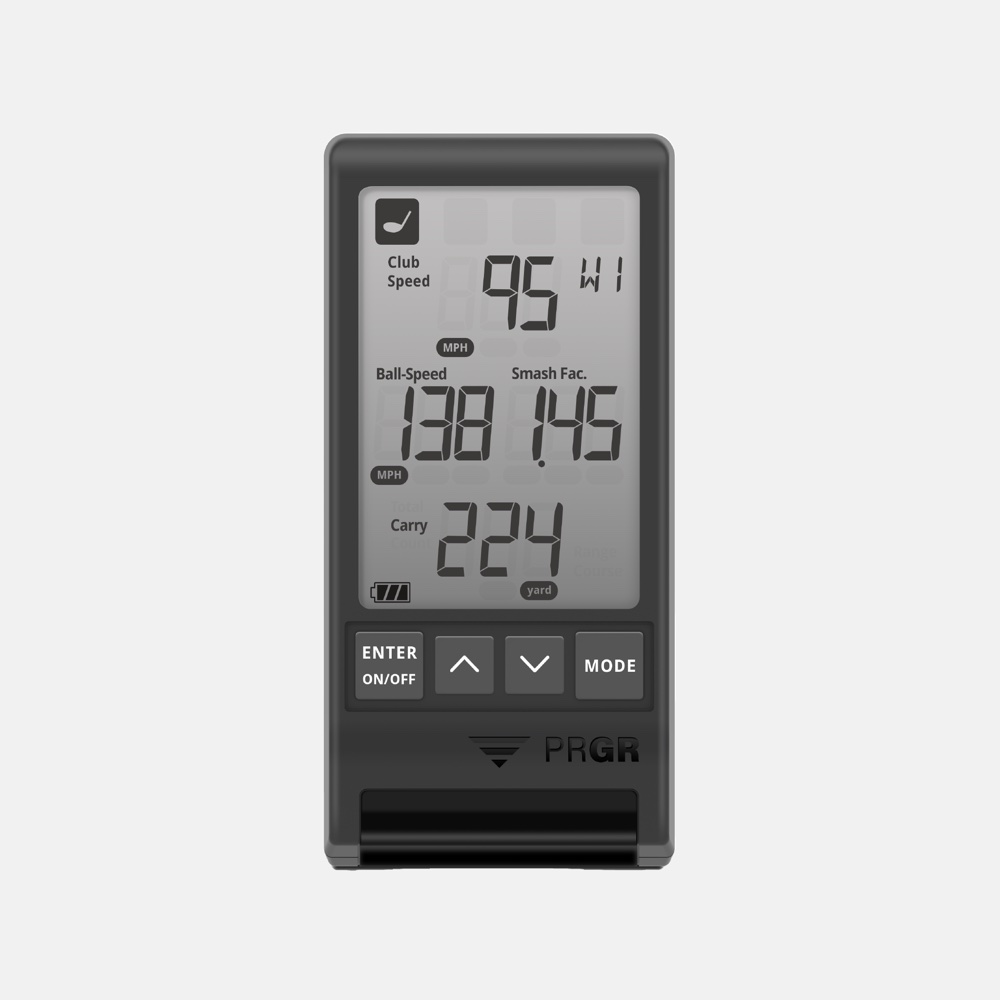 | PRGR Black Pocket HS-130A | $199.99 | Radar (Doppler, dual-sensor) | ★3.6 | Speed training & range practice — not simulator-capable | Check price → |
From $13,995 (unit); complete packages from ~$29,715
Ceiling-mounted OERT: 24 GHz radar + dual high-speed cameras
Serious home simulators (from $13,995), teaching academies, and Tour-level fitting studios
Serious amateurs, high-end home simulators, professional club fitting
Serious home simulator — accuracy-first golfers
Serious simulator builders wanting GC3 accuracy without the GC3 price
Mevo+ owners wanting an upgrade with better battery, USB-C, and improved hardware
Mid-tier home simulator without subscription
GSPro users who don't want a subscription — outdoor + indoor versatile
All-in-one home simulator with built-in display, no PC required
Budget home simulator & driving range
$1,495 (CPO/preowned via SkyTrak direct) — new units no longer available from SkyTrak
Hybrid (Photometric camera + Dual Doppler Radar)
E6 Connect users — the only sub-$3K camera/hybrid unit with E6 support
Buyers who want an overhead launch monitor with zero recurring software fees and no floor footprint
Budget home simulator with direct club data — unique camera-based measurement at sub-$700 price
$10,999 (AI Studio bundle)
Camera (triple high-speed infrared overhead) — Dimple Optix ball tracking + Club Optix club tracking
Buyers who want the largest hitting zone and most established software ecosystem in the overhead camera category, and who are willing to pay a premium — including an ongoing software subscription — to get it
Sub-$200 range practice & carry data, no subscription
On-course GPS + range warmup data
Iron practice + budget simulation — best measured spin under $1,000
Portable indoor/outdoor launch monitor for buyers who value bag-friendly portability over a built-in touchscreen
Buyers who want the largest hitting zone in the overhead category and zero recurring software fees, and who accept a newer brand with a thin independent-review track record in exchange for a $1,500-$6,000 price advantage over ProTee VX and Uneekor
Speed training & range practice — not simulator-capable
Buying Guide
Radar vs. Photometric vs. Hybrid: Which Technology Is Right for You?
The most important decision in launch monitor selection isn't price — it's technology type. Each approach has fundamentally different strengths.
Radar (Doppler) monitors like the Garmin R10, Shot Scope LM1, and FlightScope Mevo 3 track the ball in flight using radar waves. They perform excellently outdoors and are typically the most portable. The limitation: radar cannot directly measure spin on short indoor ball flights (under ~20 meters). Spin data is calculated via machine learning algorithms, with accuracy depending on ball type (RCT balls significantly improve results). Club data (path, face angle) is measured via separate radar readings.
Photometric monitors like the Foresight GC3, Bushnell Launch Pro, Uneekor Eye Mini, and Garmin R50 use high-speed cameras to directly photograph the ball at impact and through the first 6–12 inches of flight. Spin rate and axis are directly measured from ball markings — far more accurate than radar-calculated spin, especially indoors. The trade-off: most photometric units require side-of-ball placement within 1–3 feet, limiting portability. They typically need 10–12 ft of room depth minimum.
Hybrid monitors (SkyTrak+, Rapsodo MLM2PRO, FlightScope Mevo 3) combine both approaches — cameras capture ball data at impact while radar tracks the full ball flight. This delivers the spin accuracy benefits of photometric with the club data benefits of radar. The Mevo Gen2 and Mevo+ use "Multicam" technology (metallic dot stickers on balls provide better camera reference points indoors).
Rule of thumb: if you primarily practice outdoors at the range, radar is sufficient and more portable. If you're building an indoor simulator where spin accuracy matters, go photometric or hybrid.
Accuracy: What the Numbers Actually Mean
Marketing accuracy claims ("±0.5 mph ball speed") are largely meaningless without context. Here's what the editorial testing data actually shows at each tier.
Budget radar ($199–$699): Ball speed and carry distance are typically within 1–3% of premium units outdoors. Spin rate indoors is the Achilles heel — without RCT balls, spin data can vary 20–40% from premium benchmarks. Launch angle accuracy is generally good at ±1°. Club path and face angle at this tier should be treated as directional data (is it inside-out or outside-in?) rather than precise measurements.
Mid-range radar/hybrid ($699–$1,499): The FlightScope Mevo 3 and Rapsodo MLM2PRO with metallic dot balls approach photometric accuracy for spin measurement. Breaking Eighty and GolfWRX community testing shows these units within 5–10% of GC3 on spin indoors when using the specified ball types. Club data improves meaningfully.
Premium photometric ($2,000–$7,000): The Bushnell Launch Pro, Uneekor Eye Mini, and Foresight GC3 are within 1–2 mph ball speed and 100–200 RPM spin of the GCQuad in independent testing. Carl's Place R50 vs. TrackMan testing showed 4.01% average driver carry variance — within noise.
Professional ($13,000+): TrackMan iO is the reference standard. Everything else is measured against it.
Software Ecosystem: The Hidden Long-Term Cost
The hardware price is only part of the cost. Simulator software subscriptions can dramatically change the 5-year total cost of ownership.
GSPro (~$250/yr) is the most popular simulator platform and works with most launch monitors in this list. Home Tee Hero ($99/yr Garmin Golf membership) covers 43,000+ courses but requires a Garmin device. E6 Connect ($300–$600/yr) is the premium option with real-world course scanning; it's included free with FlightScope Mevo 3 (8 courses), bundled differently with other units.
The Foresight ecosystem (FSX Play) includes 25 courses lifetime with the GC3 — no annual fee required for the base simulator. The Bushnell Launch Pro uses the same platform but requires a $499/yr Gold subscription to unlock 3rd-party APIs (including GSPro).
TrackMan iO's software (TrackMan Performance Studio with 200+ courses) has its own annual fee included in the base price, but commercial licensing may add costs.
Budget trap: the Shot Scope LM1 and Garmin G82 have no simulator integration whatsoever. They're pure practice/range tools. Don't buy either expecting to play virtual golf at home.
Space Requirements: What Fits in Your Room
This is where most buyers get surprised. Before choosing a launch monitor, measure your actual practice space.
Camera-based (side-of-ball placement): Most photometric units need only 10–12 ft of room depth (ball-to-net distance). The Foresight GC3 minimum is 10 × 10 × 9 ft. Bushnell Launch Pro is similar. These are the most room-friendly for tight spaces.
Radar (behind-ball placement): Needs significant depth behind the ball. FlightScope Mevo 3 and Mevo+: 7–9 ft behind ball + 16+ ft total room depth. Garmin R10: 6–8 ft behind tee + 8 ft minimum ball flight. This means 14–16 ft total minimum depth. If you have a standard 12-ft garage bay, most radar units won't work well.
Ceiling-mounted: TrackMan iO is ceiling-installed, eliminating floor footprint, but requires permanent professional installation and a minimum ceiling height per TrackMan's specifications.
Rule: If your space is under 14 ft deep, choose a photometric (side-of-ball) unit like the Bushnell Launch Pro, Foresight GC3, or Garmin R50. If you have 16+ ft, a radar unit opens more budget options at the mid-range.
Price Tiers: What You Actually Get at Each Level
Understanding what changes between price tiers helps you avoid over-buying.
$199–$499 (Budget): Ball speed, carry distance, smash factor, and basic club speed. Spin rate is either not measured (Shot Scope LM1) or calculated with limitations (Garmin R10). No photometric accuracy. Zero simulator integration (LM1) or basic simulator with spin caveats (R10). Best for: range practice, handicap tracking, beginners.
$500–$1,500 (Mid-range): The Rapsodo MLM2PRO ($699) and FlightScope Mevo Gen2 ($1,299) add dual camera for better spin, improved simulator software (E6 Connect included with Mevo), and more reliable indoor data. Club data becomes more trustworthy.
$1,500–$5,000 (Performance): The SkyTrak+ ($1,495), Uneekor Eye Mini ($2,999), and Garmin R50 ($4,999) deliver photometric or hybrid accuracy competitive with units costing 3–4x more. This is where professional-grade simulator use begins.
$5,000–$10,000 (Pro-sumer): Foresight GC3 ($6,999). Tour-level 3-camera photometric. No subscription for base use. Used by PGA teaching pros for on-lesson data.
$10,000+ (Professional): TrackMan iO. The reference standard. Built for commercial facilities, elite fitting bays, and Tour-caliber performance centers.
Subscription Costs: 5-Year TCO Comparison
Never evaluate a launch monitor on hardware price alone. Here's what the 5-year total cost of ownership looks like for the most popular simulator-capable units.
Garmin R10 + Home Tee Hero: $499.99 hardware + $495 membership (5 × $99) = $994.99 total. Garmin R10 + GSPro (unofficial): $499.99 + $1,250 GSPro (5 × $250) = $1,749.99 total. FlightScope Mevo Gen2 + E6 free tier (8 courses): $1,299 hardware, $0 subscription = $1,299 total. FlightScope Mevo Gen2 + full E6 Connect: $1,299 + $1,500–$3,000 E6 sub = $2,799–$4,299 total. Bushnell Launch Pro + Gold (GSPro access): $2,999.99 + $2,495 Gold sub (5 × $499) = $5,494.99 total. Foresight GC3 + FSX Play (lifetime, included): $6,999 + $0 = $6,999 total. Foresight GC3 + GSPro: $6,999 + $1,250 = $8,249 total.
The GC3 actually beats the Launch Pro on 5-year TCO if you want GSPro and would have paid for the Gold subscription. These numbers explain why the GC3 remains popular despite the higher upfront price.
Detailed Head-to-Head Comparisons
Side-by-side spec analysis for the products in this list.
Shot Scope LM1 vs Garmin Approach R10
Compare →
Garmin Approach R50 vs Foresight Sports GC3
Compare →
Foresight Sports GC3 vs Bushnell Launch Pro
Compare →
Foresight GC3 vs Foresight GCQuad
Compare →
TrackMan iO vs Foresight GCQuad
Compare →
SkyTrak+ vs Garmin Approach R10
Compare →
SkyTrak+ vs TrackMan iO
Compare →
FlightScope Mevo Gen2 vs FlightScope Mevo+
Compare →
Frequently Asked Questions
What is the most accurate golf launch monitor under $3,000?
The Bushnell Launch Pro ($2,999.99) is the most accurate launch monitor under $5,000. It uses Foresight GC3-identical hardware — three high-speed photometric cameras that directly measure ball speed, spin rate, spin axis, and launch angle. No other unit in its price class uses photometric measurement for spin. The catch: accessing simulator software (GSPro, third-party platforms) requires a $499/year Gold subscription, pushing 5-year TCO close to $5,500.
Do I need a launch monitor that measures spin directly?
It depends on your use case. For driving range practice and basic distance tracking, calculated spin (as provided by most radar units under $1,000) is adequate. For indoor simulator use where shot shapes matter — draw, fade, hook, slice — direct spin measurement from a photometric unit like the Bushnell Launch Pro or Foresight GC3 produces more realistic ball flight simulation. Club fitting professionals and serious tournament players should use photometric for reliable spin axis data.
Is the Garmin Approach R10 still worth buying in 2026?
Yes. The R10 remains the best value under $500 in 2026. Its Doppler radar delivers reliable ball speed, carry distance, launch angle, club speed, club path, face angle, and attack angle. The limitation is indoor spin — use Titleist RCT balls for 30× better spin accuracy per Garmin's own testing. For budget-conscious buyers who want simulator play (Home Tee Hero, E6 Connect), driving range data, or Garmin ecosystem integration, nothing competes at $499.99.
What launch monitor do PGA Tour pros use?
Most PGA Tour players and Tour-certified teaching facilities use TrackMan (iO or its predecessors). TrackMan's OERT dual-radar-plus-camera system is the reference benchmark — every other unit is tested against it. The Foresight GCQuad and GC3 are widely used for Tour-level club fitting and teaching academies, particularly where photometric measurement is preferred for its spin data quality. The Bushnell Launch Pro (GCQuad/GC3 hardware at lower price) bridges the gap for serious amateurs.
Can I use a launch monitor outdoors at the driving range?
Radar-based monitors (Garmin R10, FlightScope Mevo, Shot Scope LM1) actually perform better outdoors than indoors — the radar can observe the full ball flight, providing directly measured spin rather than calculated estimates. They're ideal for range sessions. Photometric monitors (Foresight GC3, Bushnell Launch Pro, Garmin R50) also work outdoors, though direct sunlight can occasionally affect camera readings. The Shot Scope LM1 and Garmin R10 are the most field-proven outdoor units; both are IP-rated for light weather use.
Which launch monitor works with GSPro?
GSPro (approximately $250/year) officially supports: FlightScope Mevo 3, Mevo+, Foresight GC3, GCQuad, Bushnell Launch Pro (Gold tier required), Garmin R50, Rapsodo MLM2PRO, SkyTrak+, Uneekor Eye Mini, and TrackMan iO. The Garmin R10 works via an unofficial community-developed bridge (available on GSPro Discord) — not plug-and-play. Shot Scope LM1 and Garmin G82 are NOT compatible with GSPro.
How much room do I need for a home golf simulator?
Room requirements depend heavily on which launch monitor you choose. Side-of-ball photometric units (Foresight GC3, Bushnell Launch Pro, Garmin R50, Uneekor Eye Mini) need 10–12 ft of room depth minimum, making them compatible with most 1-car garages. Radar units placed behind the ball (FlightScope Mevo series, Garmin R10) need 16+ ft of room depth — a 2-car garage bay. Ceiling-mounted TrackMan iO eliminates floor depth constraints but requires permanent installation. Always measure your room before purchasing.
Do I need Titleist RCT balls for my launch monitor?
It depends on the device. The Garmin R10 strongly recommends Titleist RCT balls for indoor spin accuracy — Garmin's own testing shows up to 30x better spin-rate accuracy and up to 50% better carry-distance accuracy versus standard balls indoors. The FlightScope Mevo+ and Mevo Gen2 require metallic foil dots on standard balls (or RCT balls) for accurate indoor spin measurement. Camera-based units — Bushnell Launch Pro, Foresight GC3, GCQuad, SkyTrak+, Uneekor Eye Mini, and Garmin R50 — don't require special balls; they read the ball's actual dimple pattern at impact. The Rapsodo MLM2PRO needs its own proprietary RPT balls for any spin data at all. The Shot Scope LM1 and Garmin G82 don't measure spin regardless of ball type, so the question doesn't apply.
Which golf launch monitors work outside the US, in the UK or Canada?
The Bushnell Launch Pro is the one to watch out for: it's US-only, region-locked, and requires a US internet connection every 45 days to keep working — it will not function reliably for UK or Canadian buyers. Every other device in this guide is sold and supported internationally through regional distributors: FlightScope, Garmin, SkyTrak, Rapsodo, Foresight, Uneekor, and TrackMan all have UK/EU and Canadian retail channels, though pricing and exact bundle availability vary by region and shift over time — check the manufacturer's local site or an authorized regional retailer for current pricing before buying. If you're outside the US and want camera-based accuracy without the region-lock risk, the SkyTrak+ or Uneekor Eye Mini are the safer picks.
More Buyer Guides
Affiliate disclosure: Some links on this page are affiliate links. We may earn a commission at no extra cost to you. Our rankings and verdicts are not influenced by commercial relationships. Full disclosure policy
Get Price Alerts and New Reviews
We track price changes across all 13 launch monitors. Subscribe for alerts when prices drop or new models launch.